



How Do I Know If My Irrigation Filter Is Clogged
December 30, 2025
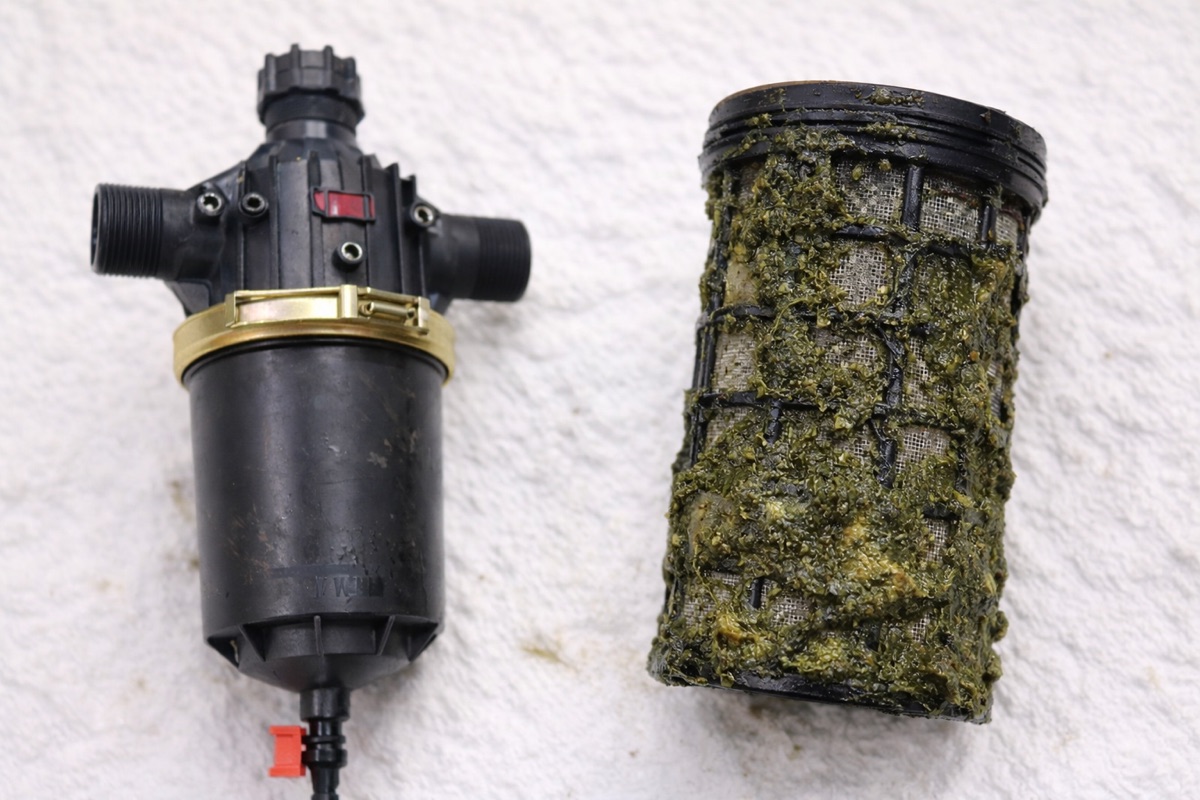
Irrigation filters are one of the most overlooked parts of an irrigation system, and also one of the most important. I have worked mostly on residential irrigation systems, but this applies to virtually any setup including commercial properties and golf courses. A clogged filter can quietly reduce water delivery for weeks or months before anyone realizes there is a problem.
The tricky part is that many of the symptoms of a clogged filter look like other common irrigation issues. Low pressure, weak sprinkler coverage, or drip lines that seem to stop working can easily be misdiagnosed. Here is how to tell when the filter is actually the culprit.
Common Irrigation Filter Types and Where Problems Start
The most common irrigation filters I see are screen-based filters. These come in a few different formats depending on where they are installed and how dirty the incoming water is.
On drip systems, small inline screen filters are very common. These clog easily, especially if you are on irrigation water or well water. On main lines, mesh filters are often used to protect the entire system. These can handle higher flow but still require regular cleaning.
If you have very dirty water, larger manual or semi-automatic screen filters are often installed. These work well but may need to be checked frequently, sometimes daily, depending on water quality. Automatic self-cleaning filters from companies like Amiad or Irritec are excellent, but even they can clog under the right conditions.
One of my favorite setups is a filter with pressure gauge ports. Many people install manual gauges, but these ports also make it easy to add wireless pressure sensors so you can get alerts and trends instead of guessing. Some filters such as the Amiad Mini Sigma, have bluetooth controllers, but the range on these is limited to less than 100 ft, so adding wireless pressure senors allow you to monitor them remotely and get proactive alerts.
Early Warning Signs Before You Open the Filter
If you are actively monitoring your system, the first sign of a clogged filter is usually a gradual drop in pressure. This is the best case scenario because you can catch the problem early.
If you are not monitoring pressure, it becomes much harder to tell. Drip lines may stop producing water evenly. Sprinklers may still turn on, but with noticeably reduced output. The dangerous part is that the system may still run, just not deliver enough water to keep plants healthy.
In many cases, people do not realize there is a problem until they start seeing stressed plants or dry areas.
Real World Example of a Filter Causing Bigger Issues
We use an Amiad Mini Sigma filter on one of our systems. It generally works great and cleans itself automatically. However, when it gets clogged, it goes into a continuous flush cycle and will not stop.
That means the system starts wasting large amounts of water. Now with the YardPro Smart Leak Detector we can monitor the pressure coming into the filter, and the pressure right after the filter. We receive an alet when there is a large gap in pressure, which indicates a clogged filter. Without the real-time alerts, this would have gone unnoticed for a long time and resulted in a huge water bill.
How Often Filters Clog and What Makes It Worse
We are on irrigation water, so our filters clog constantly. At a minimum, I recommend checking filters every six months, but the real answer depends entirely on how dirty your incoming water is.
Certain events dramatically increase the chances of clogging. Repairs that open up the system can introduce dirt into the lines. Leaks can pull debris into the system. Seasonal changes, algae growth, and construction nearby can all accelerate filter buildup.
Common Misdiagnoses That Hide a Clogged Filter
When people see low water pressure, they usually suspect the main water line, a failing pump, a leak, or clogged spray heads and emitters. The filter is often overlooked because opening and cleaning it can be inconvenient.
Unfortunately, this means the filter issue can persist while people chase the wrong problem.
The Easiest Way to Confirm a Clogged Filter
The simplest and most reliable method is to measure water pressure before and after the filter using pressure or flow sensors. A noticeable pressure drop across the filter means it is clogged.
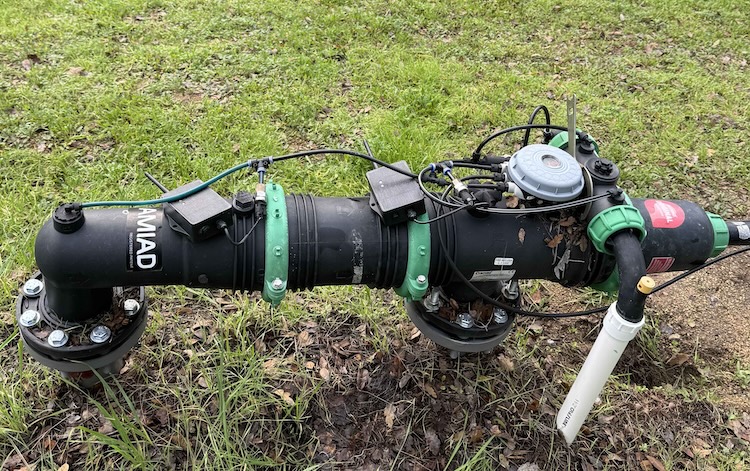
Amiad Mini Sigma with YardPro sensor installed to read pressure before and after filter
If you do not have gauges or sensors installed, the only option is to shut off the water, disassemble the filter, remove the screen or disc, and clean it manually. This works, but it turns diagnosis into a maintenance task instead of a quick check.
What Pressure and Flow Data Can Tell You
Pressure sensors and flow monitoring tools make this much easier. A slow, steady decline in pressure over time usually points to a filter that is gradually clogging.
A sudden pressure drop is more likely caused by a leak or a drop in incoming water pressure. Being able to see the trend is what makes the difference.
Preventative Maintenance That Actually Works
Generic advice like clean your filters regularly is easy to ignore. What works in practice is scheduling it.
I set up recurring tasks in the free YardPro app to clean filters every six months. That simple reminder helps catch issues before they become problems and keeps maintenance from slipping through the cracks.
When a Clogged Filter Becomes Urgent
Filters are designed to be cleaned and maintained. If they are neglected, they can fail catastrophically. Screens can blow out, dirt can enter the system, and downstream components can clog or be damaged.
At that point, you are no longer just cleaning a filter. You are replacing parts and fixing problems that could have been avoided.
Final Thoughts
A clogged irrigation filter rarely announces itself loudly. It slowly starves your system of water until plants suffer or something breaks. The combination of basic maintenance and pressure monitoring is the most reliable way to stay ahead of it.
If you can see what your system is doing, you can fix small problems before they turn into expensive ones.